

When Is the Best Time to Visit Ireland?
The best time to visit Ireland depends on what you want from your trip, but May through September is a popular choice for good reason. These months bring longer days, mild temperatures and plenty of opportunities to explore Ireland's countryside, coast and historic sites.
But Ireland is a year-round destination. Spring brings fresh green landscapes and St. Patrick's Day celebrations, summer brings long days and outdoor adventures, autumn offers a different look at the countryside, and winter brings a slower pace and its own special atmosphere.
The best time for your trip may also depend on how you'd like to explore. Whether you prefer a Guided Tour with a dedicated Tour Director, a personalized journey with a Custom Private Driver, the freedom of a Self-Drive vacation or an active Walking & Hiking adventure, there are different ways to experience Ireland throughout the year.
The best time to visit Ireland at a glance
Longer days and outdoor sightseeing: May–August
A balance of weather and fewer crowds: May or September
The best chance of sunshine: May–June
St. Patrick's Day celebrations: March
Autumn scenery and Halloween traditions: September–October
Christmas atmosphere: Mid-November–December
A quieter, off-season experience: November–February
Walking and hiking adventures: Spring through autumn, when longer daylight hours offer more time outdoors
Ireland has a mild maritime climate, but weather can change quickly. Whenever you visit, layers and a waterproof jacket are good things to pack.
Spring in Ireland
February 1 is the traditional start of spring in Ireland, which runs from February through April. It's a beautiful time to watch Ireland's landscape turn increasingly green. February tends to still be chilly and wet, but it brings daffodils and other spring flowers. March brings St. Patrick's Day celebrations, while April offers longer days for sightseeing.
Spring is a lovely time for a scenic drive through the countryside or a walking adventure, as the landscape comes back to life. It's also a good season to consider a Private Driver vacation, with the flexibility to explore at your own pace and enjoy Ireland's smaller towns and scenic routes.
March is particularly special in Ireland. St. Patrick's Day on March 17 brings parades, traditional music and celebrations throughout the country. Dublin hosts the best-known festival, but towns and villages across Ireland join in the festivities. Read more in our guide to celebrating St. Patrick's Day in Ireland.
Summer in Ireland
May 1 is the traditional start of summer in Ireland, which runs from May through July. May is particularly appealing: based on long-term climate averages, it is typically one of Ireland's sunniest and driest months.
June through July brings Ireland's longest days and its peak travel season. Around the summer solstice, there can be daylight well into the evening, giving you more time for scenic drives, walks and sightseeing.
Summer is an especially good time for Walking & Hiking tours, when longer daylight hours allow for extended adventures in Ireland's spectacular landscapes. From coastal trails and mountain scenery to the countryside of Kerry and Donegal, there are plenty of opportunities to explore on foot.
It's also an excellent season for a Self-Drive vacation or a Private Driver journey, with more daylight to enjoy scenic routes, make stops along the way and discover places beyond the main tourist attractions.
Summer is also a wonderful time to experience some of Ireland's most memorable rural traditions. A visit to a working farm to watch skilled sheepdogs round up a flock is a guest favorite on many CIE Tours itineraries. These demonstrations offer a fascinating glimpse into Irish farming life and the remarkable partnership between shepherds and their dogs. Read more about sheepdog demonstrations and why they're such a popular experience.
This is a popular time to visit, so plan ahead for accommodations and major attractions. And remember that even in summer, Ireland's Atlantic climate means rain showers are always possible.
Autumn in Ireland
August 1 is the traditional start of autumn in Ireland, which runs from August through October. Lúnasa, the traditional Gaelic festival marking the beginning of the harvest, falls on August 1 and marks the transition into autumn.
August and September can still bring summerlike conditions, while October brings autumn color and a quieter feel. October is also an interesting month for anyone fascinated by Irish traditions. Halloween has its roots in the ancient Celtic festival of Samhain, traditionally associated with the transition from autumn to winter, making Ireland a particularly fitting place to experience the holiday.
Derry is especially famous for its Halloween celebrations, with a spectacular festival of costumes, street performances and events. Discover the story behind Halloween in Derry, and learn more about the Irish origins of Halloween traditions.
September can be an especially appealing month for a Walking & Hiking adventure, with the opportunity to enjoy Ireland's trails and scenery as the busy summer season begins to wind down. Autumn is also a wonderful time for a Self-Drive or Private Driver vacation, taking in the changing countryside and enjoying a more relaxed pace.
Winter in Ireland
November 1 is the traditional start of winter in Ireland, which runs from November through January. Shorter days and cooler, wetter weather are part of the experience, but you'll also find a more relaxed atmosphere. December adds the festive appeal of Christmas markets, decorations and seasonal events.
Ireland's Christmas markets are a lovely reason to visit in the weeks leading up to the holiday. Waterford's Winterval, Galway's Christmas Market, Belfast's festive market and seasonal events in Wicklow each offer their own atmosphere, with handmade gifts, festive food and seasonal entertainment. Explore our guide to Ireland's Christmas markets for ideas on where to go.
Is Ireland worth visiting in the winter?
Absolutely! We think of it as 'the cozy season' – a great time to see Ireland with a quieter atmosphere. CIE Tours offers several ways to experience Ireland during the winter months.
Evergreen Ireland South and Evergreen Ireland North are seven-day Guided Tour itineraries designed specifically for off-season travel and operate from November through March.
Evergreen Ireland South visits highlights including the Cliffs of Moher, Blarney Castle, the Ring of Kerry and Dublin, with time to explore Killarney, Waterford and Kilkenny.
Evergreen Ireland North travels from Dublin through Galway, Donegal and Belfast, including the Giant's Causeway and Derry, along with traditional Irish experiences.
Two other popular CIE Tours Guided Tour itineraries, Taste of Ireland and Irish Adventure, are available year-round.
Taste of Ireland provides a shorter introduction to Ireland's classic sights, including Dublin, Blarney Castle, the Cliffs of Moher and the Ring of Kerry.
Irish Adventure travels around the island, combining destinations in the Republic of Ireland with Northern Ireland highlights including Donegal, Derry, the Giant's Causeway and Titanic Belfast.
Winter can also be a good time to consider a Custom Private Driver vacation, particularly if you'd like a personalized itinerary with the flexibility to spend more time in the places that interest you. A Self-Drive trip is another possibility, although shorter daylight hours and winter road conditions are worth considering when planning your route.
If a festive getaway appeals to you, a Private Driver vacation can be a particularly appealing way to experience Ireland before Christmas. You can plan your itinerary around Christmas markets, seasonal events and historic towns, with the flexibility to spend more time wherever you like. Read Ireland or England? Enjoy the Festive Season Before Christmas for more inspiration.
Best time to visit Ireland month by month
Every month offers something different in Ireland. Here's a quick guide to what you can expect throughout the year.
January: One of the quietest months for tourism, with short days and cool weather. A good choice for travelers looking for a peaceful off-season experience.
February: Early spring flowers begin to appear, and the days gradually get longer. It's still winterlike in terms of weather, but there are signs of spring in the countryside.
March: St. Patrick's Day brings celebrations throughout Ireland, making this a particularly festive time to visit.
April: Spring landscapes, blooming flowers and longer daylight hours make April a lovely month for sightseeing.
May: One of the best all-around months to visit, with longer days, green landscapes and typically good sunshine.
June: Long daylight hours and relatively mild weather make June ideal for sightseeing, scenic drives and outdoor activities.
July: Peak summer brings lively towns, outdoor festivals and plenty of daylight for exploring.
August: Summer continues, with opportunities to enjoy Ireland's coast, countryside and walking trails.
September: A particularly appealing shoulder-season month, with the possibility of summerlike weather and fewer visitors than in peak summer.
October: Autumn colors, Halloween traditions and a quieter atmosphere make October an interesting time to explore Ireland.
November: The quieter season begins, with shorter days and a chance to enjoy Ireland's towns and attractions at a more relaxed pace.
December: Christmas markets, festive decorations and seasonal celebrations bring a special atmosphere to Irish towns and cities.
When is the best time to visit Ireland for different types of trips?
The best time to visit Ireland can also depend on how you want to experience the country. Different travel styles offer different advantages throughout the year.
For a Guided Tour: May through September is especially popular, with longer days and plenty of opportunities to enjoy Ireland's attractions and scenery. CIE Tours also offers select Guided Tours during the winter months.
For a Private Driver vacation: Spring through autumn offers excellent opportunities to explore Ireland on a personalized itinerary, with flexibility to enjoy scenic routes, historic sites and smaller towns along the way. Winter is also a wonderful option for a festive getaway or a quieter journey.
For a Self-Drive vacation: May through September is a popular time for exploring Ireland by car, with longer daylight hours for scenic drives and spontaneous stops. Spring and autumn can also be appealing for travelers seeking a quieter experience.
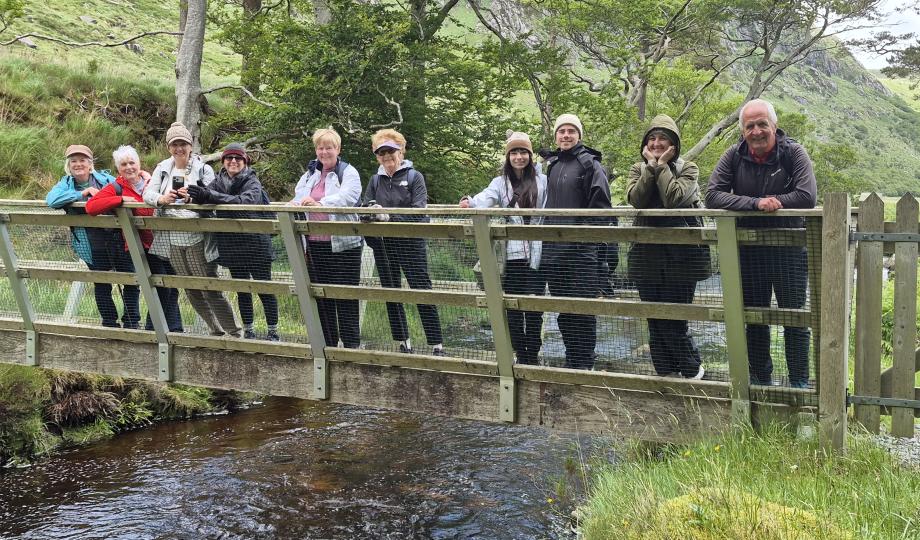
For a Walking & Hiking tour: Spring, summer and early autumn are generally the best seasons for exploring Ireland's trails, coastal paths and mountain scenery. Longer daylight hours and milder conditions offer more opportunities for outdoor adventures.
Whatever time of year you choose, CIE Tours offers several ways to experience Ireland, from escorted Guided Tours to personalized Private Driver vacations, independent Self-Drive trips and small-group Walking & Hiking adventures.
So, what is the best month to visit Ireland?
May is a particularly good month to visit Ireland for an all-around trip. The days are getting longer, the countryside is lush and green, and May typically brings some of Ireland's best sunshine.
But there's no single answer for every traveler. June is ideal if long days are important to you. September offers a nice transition out of summer. March is the month to choose if St. Patrick's Day is part of your plans. And winter is worth considering if you'd like to experience Ireland outside the busiest travel season. February, with its emerging daffodils, can be a nice surprise if you live in snowier climes.
Whenever you go, come prepared for changeable weather. Pack layers, bring a waterproof jacket and leave a little flexibility in your plans.
What is the weather like in Ireland?
Ireland has a mild maritime climate, with relatively moderate temperatures throughout the year. The weather can be changeable, so it's possible to experience sunshine, rain and clouds on the same day. Rain showers are possible in every season, making layers and a waterproof jacket useful whenever you visit.
Ireland travel: Common questions
What is the warmest month in Ireland?
June and July are generally among Ireland's warmest months. Temperatures are usually mild rather than hot, and the long summer days provide plenty of time for sightseeing and outdoor activities.
What is the rainiest month in Ireland?
Rainfall varies across Ireland, with western coastal areas generally wetter than eastern regions. Autumn and winter tend to bring more rainfall, but showers are possible throughout the year.
What is the cheapest time to visit Ireland?
November through February is generally the off-season for tourism in Ireland, outside the Christmas and New Year holiday period. Travelers may find lower prices on some accommodations and travel arrangements, although availability and pricing vary.
When is Ireland least crowded?
November through February is generally the quietest period for tourism. March, April and October can also offer a less crowded experience than the peak summer months.
Can you visit Ireland in the winter?
Yes. Ireland is a year-round destination. Winter brings shorter days and cooler weather, but also a quieter atmosphere, festive Christmas markets and opportunities to explore historic towns and attractions. CIE Tours offers winter Guided Tours, including Evergreen Ireland North and Evergreen Ireland South.
How many days do you need to visit Ireland?
Seven to ten days is a good amount of time for a first visit to Ireland, allowing you to experience several regions and major attractions without feeling too rushed. Shorter trips can focus on a particular region, while longer vacations allow more time to explore the island.
Is May or September better for visiting Ireland?
Both are excellent choices. May offers fresh spring landscapes, longer days and typically good sunshine. September offers a transition out of peak summer, with the possibility of mild weather and fewer visitors.
Is Ireland a good destination for a walking holiday?
Yes. Ireland has beautiful coastal paths, mountain trails and countryside walks. Spring through early autumn is generally a good time for a walking holiday, with longer daylight hours and milder conditions. CIE Tours offers small-group Walking & Hiking vacations in Ireland, combining guided walks with cultural experiences and visits to famous attractions.
Plan your Ireland trip with CIE Tours
Whether you're drawn to Ireland's long summer days, spring landscapes, autumn traditions or the quieter winter season, CIE Tours offers several ways to experience the country throughout the year.
Choose a Guided Tour for the company of a knowledgeable Tour Director and the convenience of a planned itinerary. Prefer a more personalized experience? A Custom Private Driver vacation lets you explore with a dedicated driver and a journey tailored to your interests. With a Self-Drive vacation, you can enjoy the freedom of the open road and discover Ireland at your own pace. Or choose a Walking & Hiking tour to experience the country's remarkable scenery on foot, with an active itinerary and small-group camaraderie.
Each travel style offers a different way to discover Ireland. Explore Ireland tours from CIE Tours and find the experience that's right for you.
Related Articles
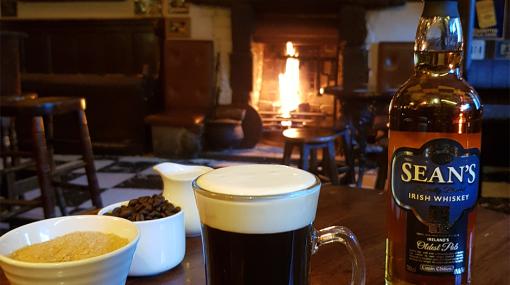
Top 5 Places to Enjoy an Irish Coffee
If you’re looking for a liquid lift and a bit of cheer, a classic Irish coffee is tough to beat. This warm and creamy…
Read More
Fast Facts about St. Brigid
St. Patrick isn’t the only saint that gets a day of global celebration. Ireland’s second-most beloved saint, Brigid,…
Read More
Attraction Spotlight: GPO Museum
One place that history lovers visiting Dublin should put on their must-see list is the General Post Office, or…
Read More