

From Pilgrims to Port Wine: A Journey Through History in Northern Spain & Portugal
Discover Northern Spain and Portugal on a guided tour filled with Rioja wine, Basque culture, the Camino de Santiago, the Douro Valley, Porto, and Fado in Lisbon.
Northern Spain and Portugal are full of stories that shaped the region and, in many ways, Europe itself. On our new-for-2027 guided tour of Northern Spain and Portugal, you’ll follow a route shaped by Roman wine traditions, medieval pilgrimage, maritime exploration, regional identity, and local customs that still feel alive today.
This Northern Spain & Portugal tour gives you more than beautiful scenery. You’ll taste Rioja at a working winery, walk the streets of San Sebastián, visit Santiago de Compostela, cruise the Douro River, and end with Fado in Lisbon. It’s a fully guided vacation designed for travelers who want culture, comfort, and memorable experiences in one trip.
Rioja: Winemaking with 2,000 Years of Roots
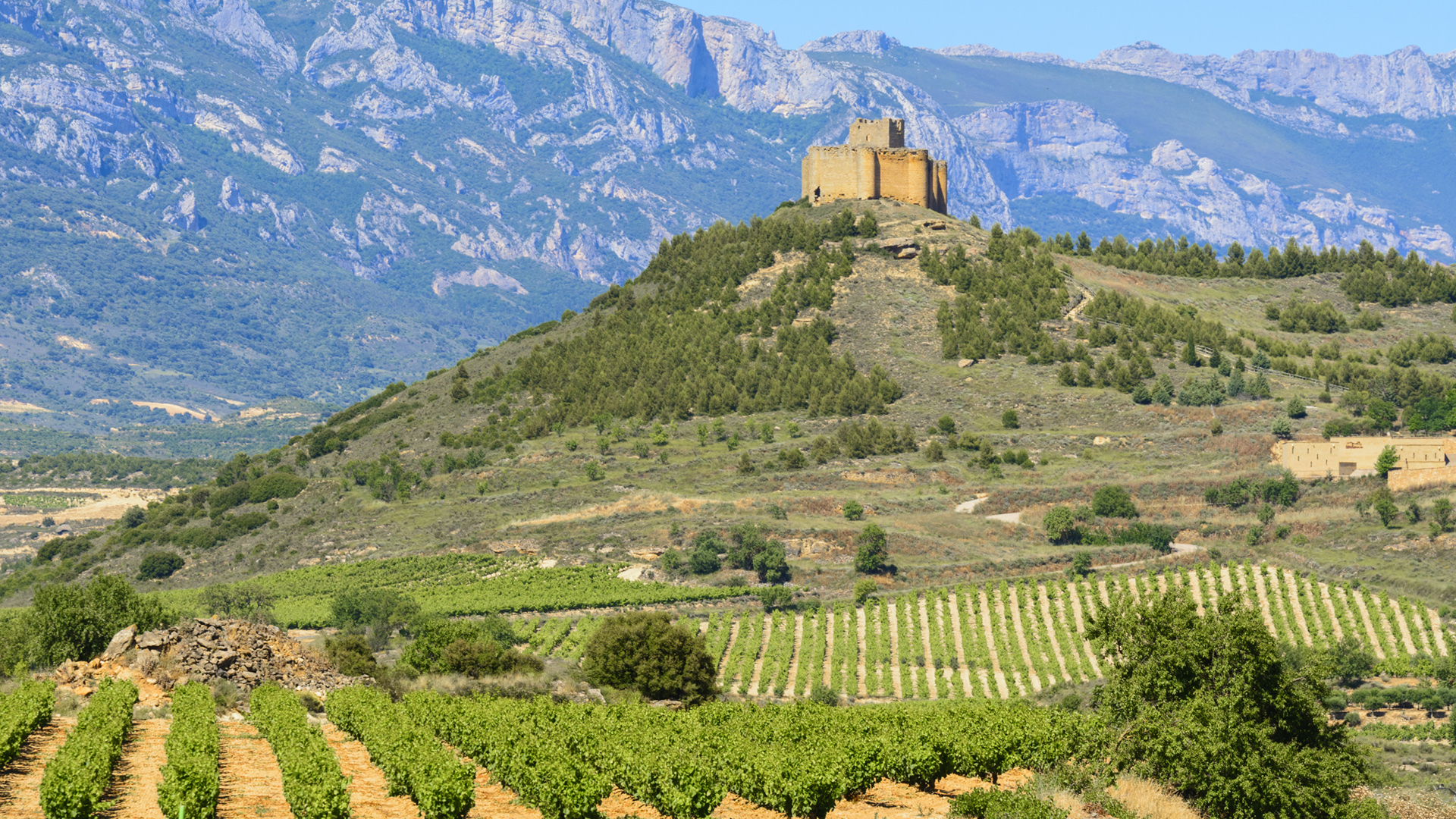
Wine has been part of Rioja for nearly 2,000 years, beginning in Roman times and growing into one of Spain’s most respected traditions. The region’s reputation expanded in the 19th century when French winemakers, fleeing vineyard disease in their own country, brought new techniques across the Pyrenees. That blend of heritage and innovation still defines Rioja today, where wineries continue to balance tradition with modern craftsmanship.
On tour, you’ll visit one of the region’s wineries for a tasting and lunch, giving you a chance to enjoy a food and wine travel experience in one of Spain’s most famous wine regions.
San Sebastián: One of Europe’s Oldest Cultures
San Sebastián and the wider Basque region offer a striking example of cultural continuity. The Basque language, Euskara, predates Latin and remains unrelated to any other language in Europe. Through centuries of outside influence, the Basque people have preserved a strong identity, visible in their language, architecture, and food culture.
As you stroll the city’s elegant promenade and explore the Old Town, you’ll also enjoy a pintxos experience, sampling the bite-size snacks that are part of everyday Basque social life. It’s a flavorful stop that adds depth to your cultural tour in Spain and Portugal.
Bilbao: A City Reinvented
Bilbao tells a more modern story, one of dramatic reinvention. Once an industrial powerhouse, the city transformed itself in the late 20th century through art, architecture, and urban renewal. The opening of the Guggenheim Museum in 1997 became a symbol of that change, so influential that it gave rise to the phrase “the Bilbao Effect.”
Your guided visit lets you see that transformation firsthand. It’s a standout example of how a city can honor its industrial past while building a new identity for the future, and it adds variety to your Spain & Portugal tour, combining history with modern cultural highlights.
Gaudí Before Barcelona
El Capricho de Gaudí offers a rare glimpse of the architect’s early style, long before he became inseparable from Barcelona. Built in the 1880s, it reflects Gaudí’s interest in nature and Orientalism, themes that would later appear in his most famous works, including the Sagrada Família.
This stop adds another layer to the journey, showing how Northern Spain connects not only to medieval and maritime history, but also to one of Spain’s most celebrated creative figures.
Santillana del Mar: Medieval Spain Preserved
Santillana del Mar is often called “the town of three lies” because it is neither flat, holy, nor by the sea. The joke aside, it remains one of the best-preserved medieval towns in Spain. Its cobbled streets, Romanesque architecture, and old-world atmosphere reflect a time when northern Spain was shaped by feudal systems and religious influence.
Your short visit here gives you a vivid sense of how much of Spain’s medieval past still survives in place and form, making it a memorable stop on a guided vacation that values heritage and discovery.
Asturias: Celtic Traditions by the Coast
Asturias carries a strong Celtic heritage, rooted in pre-Roman tribes and still present in local traditions today. You can hear it in traditional music, see it in folklore, and notice it even in place names, all of which point to a deeply layered regional identity.
This part of the journey adds texture and surprise, reminding you that Northern Spain is not one simple story but many overlapping histories. That kind of cultural immersion is one reason travelers continue to seek out guided tours of Portugal and northern Spain.
Galicia: Celtic Roots and Atlantic Heritage
Galicia also has strong Celtic ties, and its history reflects centuries of life shaped by the Atlantic coast. Roman influence, ancient traditions, and maritime connections all come together here, creating a region with a distinctive identity of its own.
As you travel through Galicia, you see a part of Northern Spain that feels deeply rooted and full of character. It’s another reminder that this tour offers more than scenery — it gives you a real sense of place.
Santiago de Compostela: Europe’s Great Pilgrimage
Few places in Europe carry the same spiritual and cultural weight as Santiago de Compostela. For over 1,000 years, pilgrims have walked the Camino de Santiago to reach the cathedral believed to house the remains of St. James the Apostle. By the Middle Ages, Santiago had become one of Christianity’s three great pilgrimage destinations, alongside Rome and Jerusalem.
On tour, you’ll follow part of this famous route, walk through the city, and visit the magnificent cathedral that has welcomed pilgrims for centuries. It’s one of the most powerful experiences on the itinerary because it connects travel, faith, and history in a way that feels immediate and memorable.
The Douro Valley: A Historic Wine Landscape
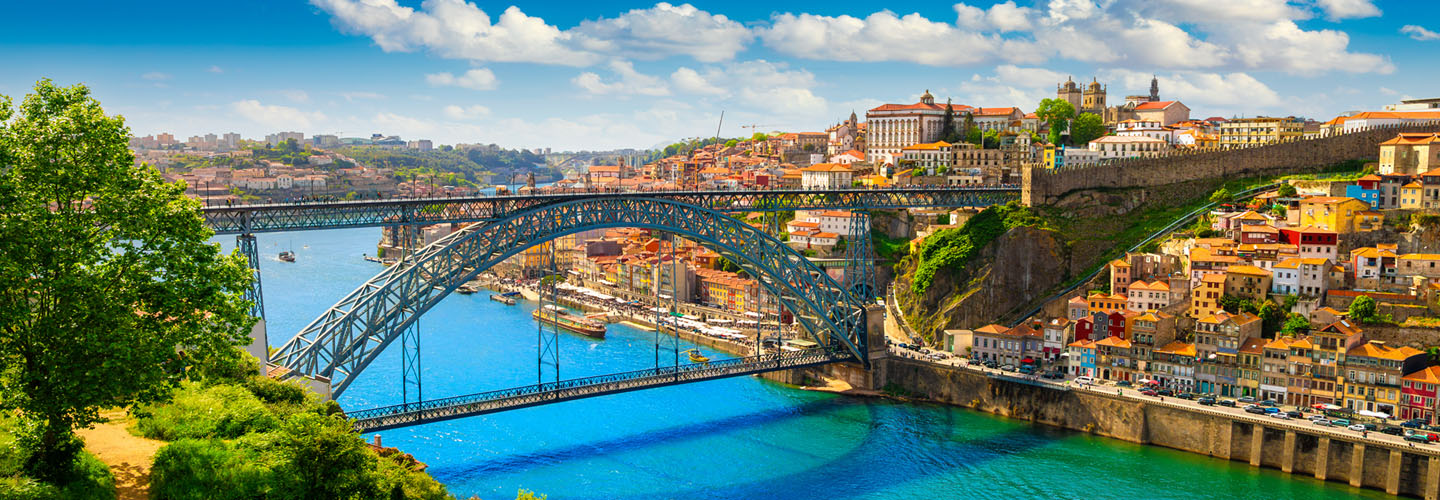
The Douro Valley is both beautiful and historically important. Officially demarcated in 1756, it is one of the world’s oldest regulated wine regions, created to protect quality and production. The terraced vineyards carved into steep hillsides are now recognized as a UNESCO World Heritage Site.
As you cruise the Douro River, you’ll see why this landscape has been so closely tied to wine for centuries. It’s a scenic highlight that also adds another layer to the region’s story, making it a standout for travelers planning Spain & Portugal tours in 2027.
Porto: The Birth of Port Wine
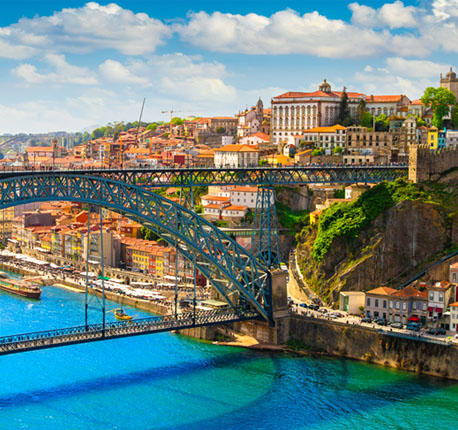
Porto’s story is closely linked to international trade. In the 17th century, British merchants began adding brandy to Portuguese wine to help preserve it during transport, creating the fortified style known as port. The wine was aged and stored in Vila Nova de Gaia, across the river from Porto, a tradition that continues today.
Your visit to a traditional port house brings that history to life with a tasting and lunch, offering a direct connection to one of Portugal’s most famous exports. It’s a perfect example of the way this tour combines historic insight with food and wine travel.
Aveiro: Maritime Trade and Coastal Life
Aveiro’s canals and waterways reflect its long connection to the sea. Historically, moliceiro boats were used to harvest seaweed for fertilizer, supporting the local agricultural economy. Today, these brightly painted boats remain a colorful symbol of the town’s working past.
A short cruise here passes salt pans, the fish market, and Art Nouveau architecture, showing how Aveiro blends maritime history with everyday life. It’s a distinctive stop that adds variety and a sense of place to the journey.
Belém: Gateway to the Age of Exploration
In Lisbon’s Belém district, you stand where Portuguese explorers once set sail during the 15th and 16th centuries. Figures like Vasco da Gama departed from here, opening sea routes to India and helping establish Portugal as one of the world’s first global empires. The Jerónimos Monastery stands as a powerful reminder of that era, built to celebrate discovery and wealth.
This part of the tour reveals how Portugal’s history reached far beyond its borders and changed the world in the process. It’s one of the most compelling reasons travelers are drawn to guided tours of Portugal that include Lisbon and Belém.
Lisbon and Fado: Music Born from History
Fado emerged in Lisbon’s port districts in the early 19th century, shaped by sailors, traders, and migrants. Its themes of longing, fate, and nostalgia — known as saudade — make it one of Portugal’s most distinctive cultural expressions.
You’ll hear Fado over your farewell dinner at a traditional Fado house, where music and atmosphere bring the journey to a memorable close. It’s a fitting finish to a trip that blends history, culture, and easy, enjoyable travel.
Why This Journey Stands Out
This itinerary works because it combines surprising history with the pleasure of travel. You’re not just passing through famous places — you’re tasting Rioja, walking medieval streets, cruising historic rivers, and ending the trip with the music of Lisbon.
For travelers seeking a guided tour of Northern Spain and Portugal, this journey offers a rich mix of culture, comfort, and discovery. It’s a warm, welcoming, fully guided vacation that brings together some of the best reasons to explore Spain & Portugal tours.
Come along on this new-for-2027 guided tour of Northern Spain & Portugal! See all the details.
Related Articles

Spanish Sangria
Sangria has its roots in Spain, dating back to the 18th century when water was often unsafe to drink. Mixing wine with…
Read More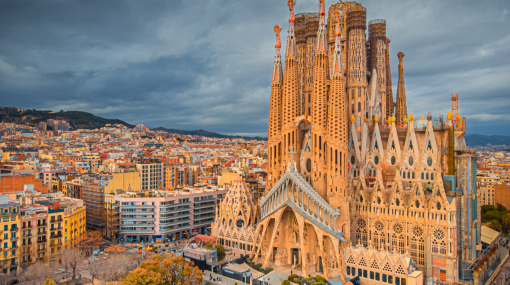
Discover the Splendor of La Sagrada Familia
Embark on an unforgettable journey through Spain with CIE Tours' Best of Spain, a meticulously crafted itinerary that…
Read More
Set-Jetting in 2026: Travel to the Europe Destinations You’ve Seen on Screen
You’ve heard of jet-setting, but set-jetting is one of the biggest travel trends of 2026. More and more travelers are…
Read More