

10 Historic Reasons Northern Spain and Portugal Belong on Your Travel List
Discover Northern Spain and Portugal on a guided tour filled with Rioja wine, Basque culture, the Camino de Santiago, the Douro Valley, Porto, and Fado in Lisbon.
Northern Spain and Portugal reward curious travelers with more than beautiful scenery and memorable meals. This is a journey through places shaped by Roman wine traditions, medieval pilgrimage routes, maritime exploration, regional identity, and centuries of cultural exchange.
On this Northern Spain & Portugal tour, you do more than pass through famous destinations. You taste Rioja at a working winery, walk the streets of San Sebastián, visit Santiago de Compostela, cruise the Douro River, and finish with Fado in Lisbon. Each stop adds another layer to the region’s story, making the journey as enriching as it is scenic.
1. Rioja: Wine with Roman Roots
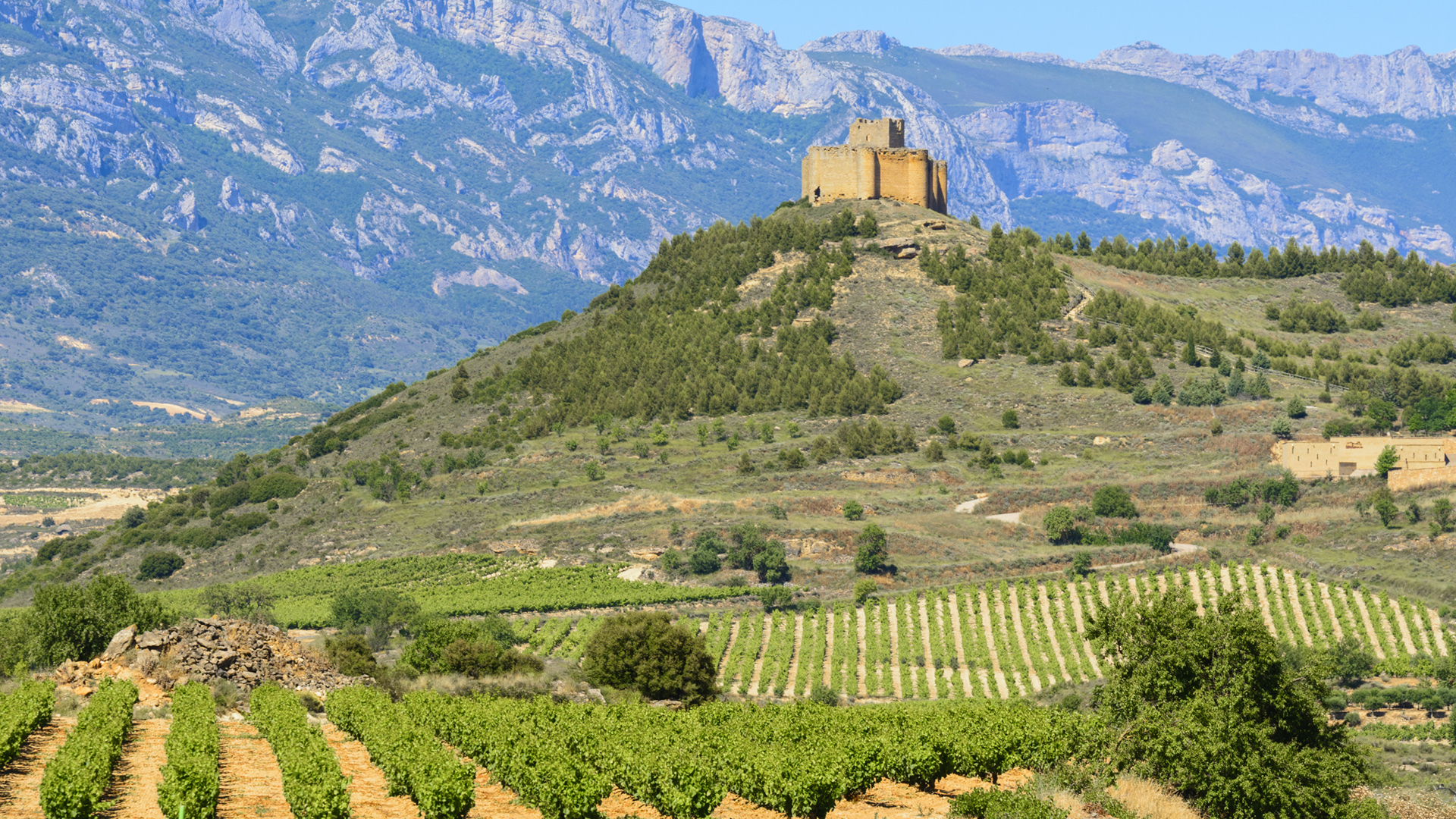
Wine has been part of Rioja for nearly 2,000 years, tracing back to Roman times. The region’s international reputation grew in the 19th century, when French winemakers brought new techniques across the Pyrenees and helped shape Rioja into one of Spain’s most respected wine regions.
During your visit, you’ll tour a winery, explore the cellars, enjoy tastings, and sit down to lunch. It’s a chance to experience a tradition that connects ancient history with modern craftsmanship.
2. San Sebastián: Basque Identity by the Sea
San Sebastián combines elegant seaside beauty with one of Europe’s oldest living cultures. The Basque people have preserved their language and traditions for centuries, even as the surrounding region changed around them.
As you stroll the promenade and explore the Old Town, you’ll also enjoy a pintxos experience, sampling the bite-size dishes that are a signature of Basque dining. It’s a flavorful way to connect with a culture that has always valued independence, pride, and hospitality.
3. Bilbao: From Industry to Innovation
Bilbao tells a remarkable modern story. Once a powerhouse of industry, the city reinvented itself through art and architecture, with the Guggenheim Museum becoming the symbol of that transformation.
Your guided visit gives you the chance to see this reinvention up close. It’s a vivid example of how a city can honor its industrial past while building a new identity for the future.
4. Santillana del Mar: A Window Into Medieval Spain
Santillana del Mar is one of the best-preserved medieval towns in Spain, and it feels almost unchanged by time. Its cobbled lanes, stone buildings, and historic atmosphere reflect the world of feudal Europe, when religion and local power shaped daily life.
You’ll enjoy a short tour and free time for lunch, giving you a chance to absorb the character of this remarkable place. It is one of those stops that helps you imagine what life once looked like in northern Spain centuries ago.
5. Asturias: Where Traditions Stay Alive
Asturias may be known for its dramatic coastline and green landscapes, but its cultural traditions are just as memorable. One of the region’s most enduring customs is cider, which remains central to local life and social gatherings.
At a cider house dinner, you’ll experience this tradition firsthand, including the famous high pour that aerates the drink. It’s a lively, unmistakably local moment that brings the region’s heritage to the table.
6. Oviedo and A Coruña: Northern Heritage and Coastal Life
Oviedo reflects Asturias’ medieval importance, with its cathedral and historic center revealing the region’s long religious and civic history. A Coruña, meanwhile, shows the maritime side of northern Spain, where Celtic and Roman influences have left their mark.
As you visit both cities, you begin to see how the north of Spain is shaped by many overlapping stories. The contrast between inland heritage and Atlantic coastal life adds depth to the journey.
7. Santiago de Compostela: The Heart of the Camino
Few places in Europe carry the same historical weight as Santiago de Compostela. For more than 1,000 years, pilgrims have made their way here along the Camino de Santiago, one of Christianity’s most important pilgrimage routes.
On your tour, you’ll walk through the city and visit the cathedral that has welcomed pilgrims for centuries. This is one of the journey’s most meaningful experiences, connecting you to a tradition that shaped travel, faith, and culture across Europe.
8. The Douro Valley: A Landscape Made by Wine
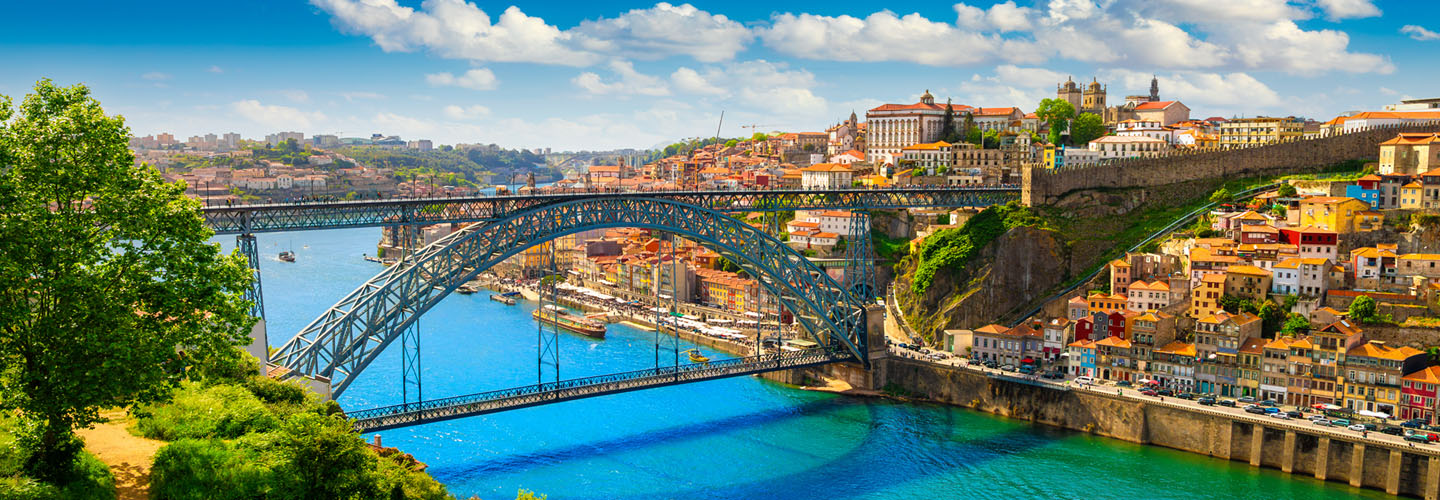
The Douro Valley is one of the world’s oldest regulated wine regions, officially demarcated in 1756. Its terraced vineyards were carved into steep hillsides over generations, creating one of Europe’s most iconic wine landscapes.
Your scenic cruise on the Douro River gives you a beautiful view of this historic region. It is a reminder that in Portugal, the land itself tells the story of wine.
9. Porto: The Birthplace of Port Wine
Porto’s history is closely linked to trade and navigation. In the 17th century, British merchants began fortifying local wine with brandy to help preserve it during transport, creating the style of port wine that became famous around the world.
During your visit, you’ll enjoy a port tasting and lunch in Vila Nova de Gaia, where the wine has long been stored and aged. It’s one of the best ways to understand how commerce helped shape Portuguese identity.
10. Lisbon and Belém: Portugal’s Age of Exploration
Belém stands as a powerful reminder of Portugal’s great maritime era. From this district, explorers such as Vasco da Gama set out to open new sea routes and expand Portugal’s reach across the world.
On your tour, you’ll visit landmarks like the Jerónimos Monastery and the Torre de Belém before ending the journey with Fado in Lisbon. The music’s themes of longing and memory offer a fitting close to a trip that has traced so many layers of history.
Why This Journey Matters
This itinerary combines beautiful places, great food and wine, and fun travel experiences with the kind of surprising history that makes every stop more memorable
For travelers seeking a guided tour of Northern Spain and Portugal, this journey offers a strong mix of culture, comfort, and meaning. It is the kind of trip that stays with you long after you return home.
Come along on this new-for-2027 guided tour of Northern Spain & Portugal!
Related Articles

Spanish Sangria
Sangria has its roots in Spain, dating back to the 18th century when water was often unsafe to drink. Mixing wine with…
Read More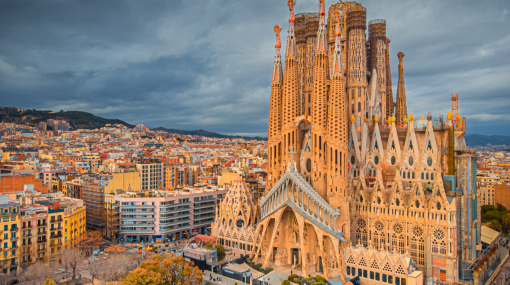
Discover the Splendor of La Sagrada Familia
Embark on an unforgettable journey through Spain with CIE Tours' Best of Spain, a meticulously crafted itinerary that…
Read More
Set-Jetting in 2026: Travel to the Europe Destinations You’ve Seen on Screen
You’ve heard of jet-setting, but set-jetting is one of the biggest travel trends of 2026. More and more travelers are…
Read More